K SYSTEM Flow Quick Start guide
K SYSTEM Flow lets operators drive Targets by hand, without a Kore: the cameras (Kapta or Kam) show the stage in Kratos, and each Target is moved in manual tracking with the mouse, a SpaceMouse or KratOSC. If your system includes a Kore for automatic tracking, see the K SYSTEM Sense Quick Start.
The base K SYSTEM Flow setup is a NUK running Kratos with Kam cameras. Kapta cameras can be used as well.
What K SYSTEM Flow does not use
Without a Kore there is no AI and no Trackers. The features that drive the AI or rely on Trackers are only used in K SYSTEM Sense: masks, Action Areas behaviors (spawning, tracking), the Tracker patcher, Quick Assign and the Trackers and Kore tabs.
Prior to the installation
Study the environment
- Determine the installation position and angle of your cameras (Kapta or Kam) so that they cover every area where Targets will be moved.
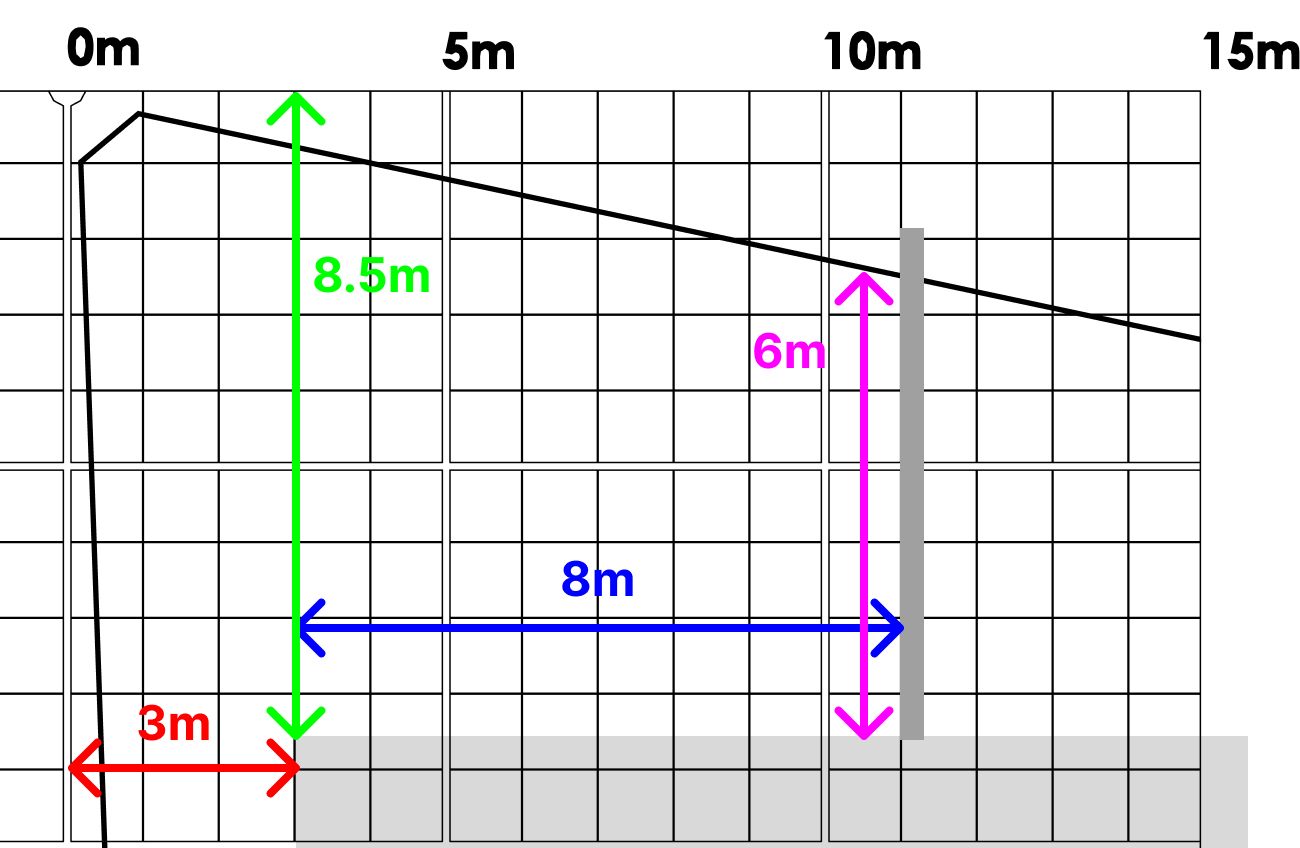
- Plan the network that connects the cameras to the NUK, and the NUK to all 3rd party systems that need to receive data from Kratos (see Networking).
Getting Started
Install the system
Kapta: ensure IR emitters are unobstructed and not pointed at any heat-sensitive materials — they can get very hot and pose a burn risk.
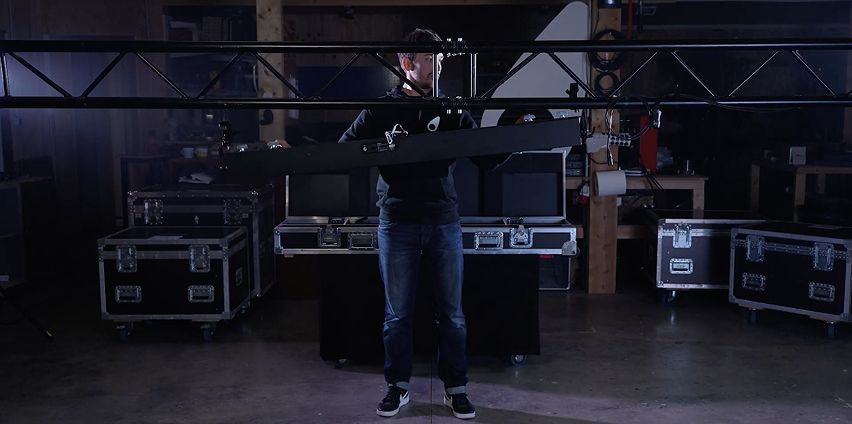
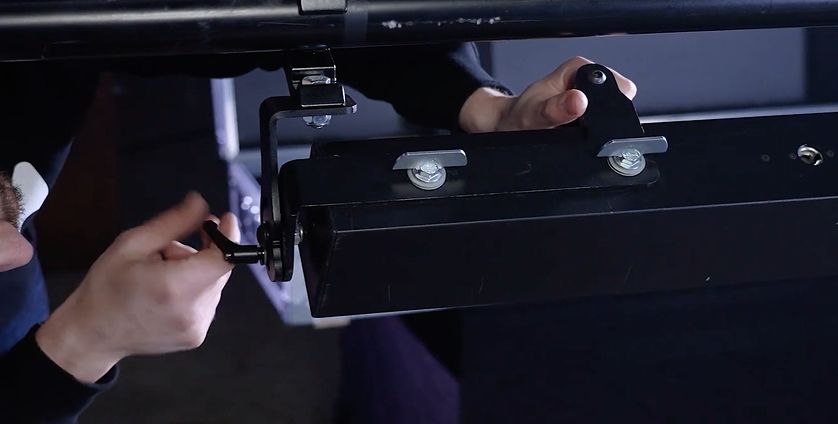
- Install the cameras at the right angle and position. Make sure to tighten the clamps and tilt locks to prevent any movement when lifting trusses.
- Create a new show or open an existing one in Kratos (see Show Menu)
- Connect the cameras to the NUK via the NaoNet network (see Networking).
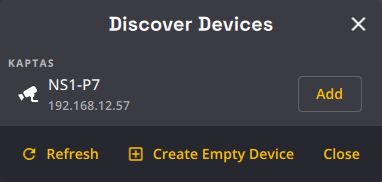
- Enable the Device Auto Discovery preview, then add the devices with + in the Cameras tab of the Show Explorer (see Adding devices). Their factory calibration is applied automatically.
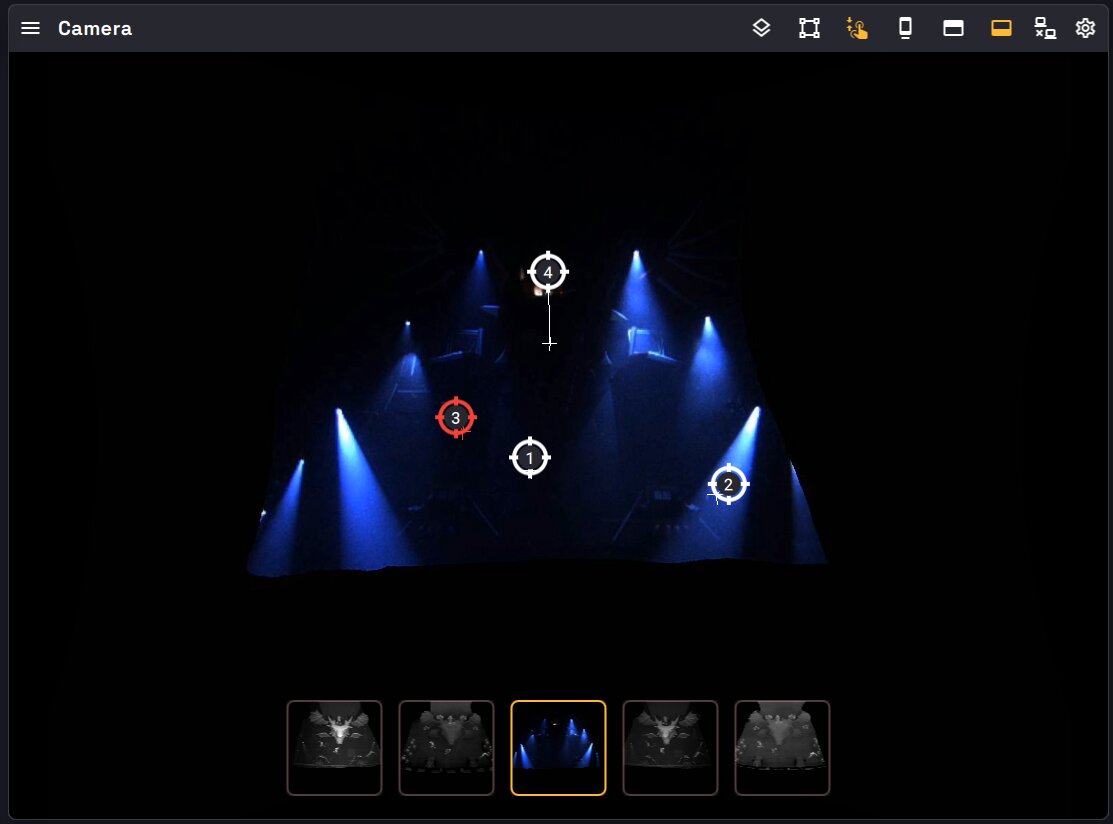
- Check that every camera shows a live image in a camera view, and adjust its exposure if needed.
Calibrate the cameras
- Calibrate each camera (see Calibration).
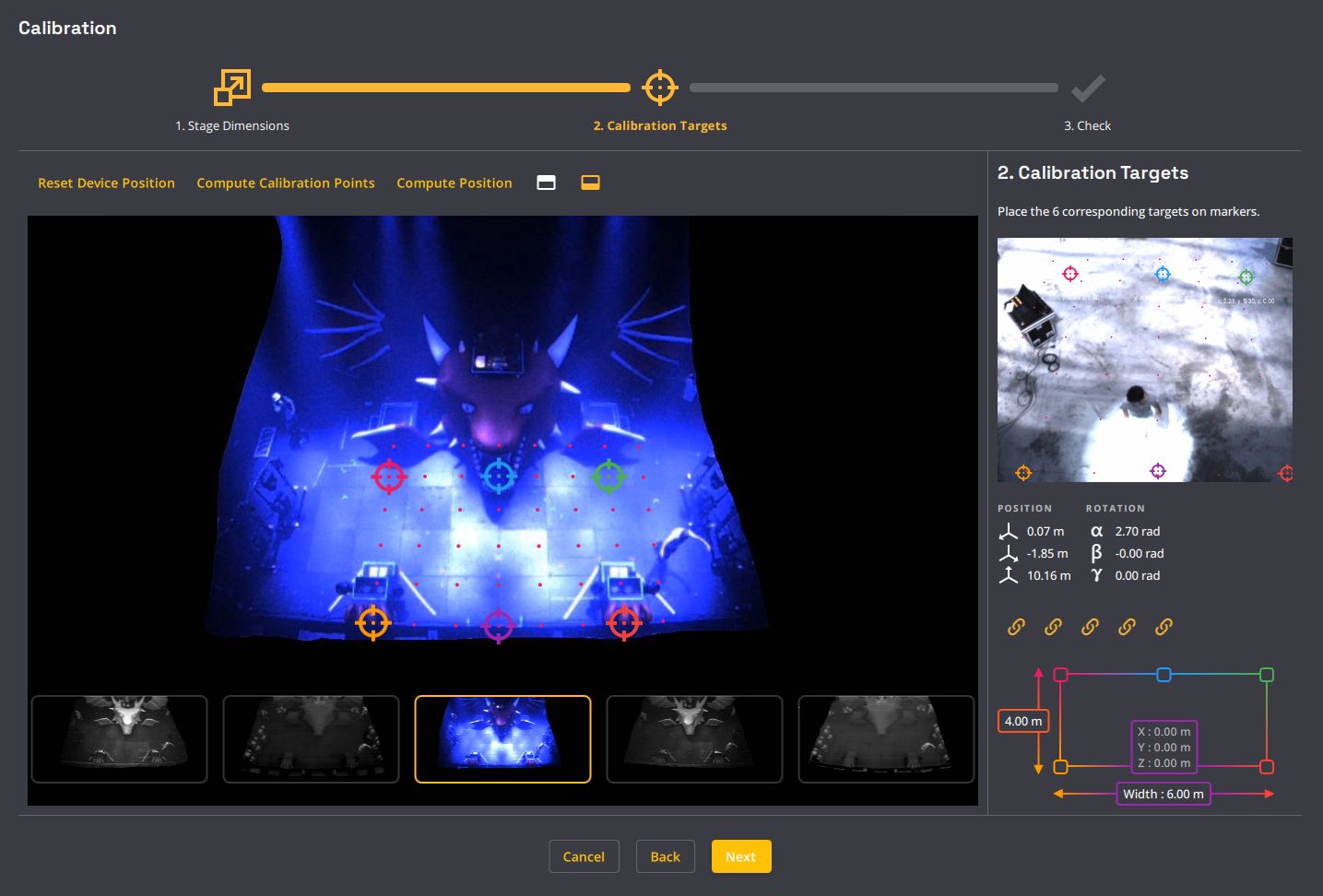
A good calibration makes the manual Target appear exactly where you point on every camera.
Free Calibration (preview)
Free Calibration is an alternative point-based calibration for Kapta and Kam, especially useful for multi-camera setups. Open it with the Free Calibration button of a camera, or enable the Free Calibration preview so that Calibrate opens it.
Setting up a show
Prepare the stage
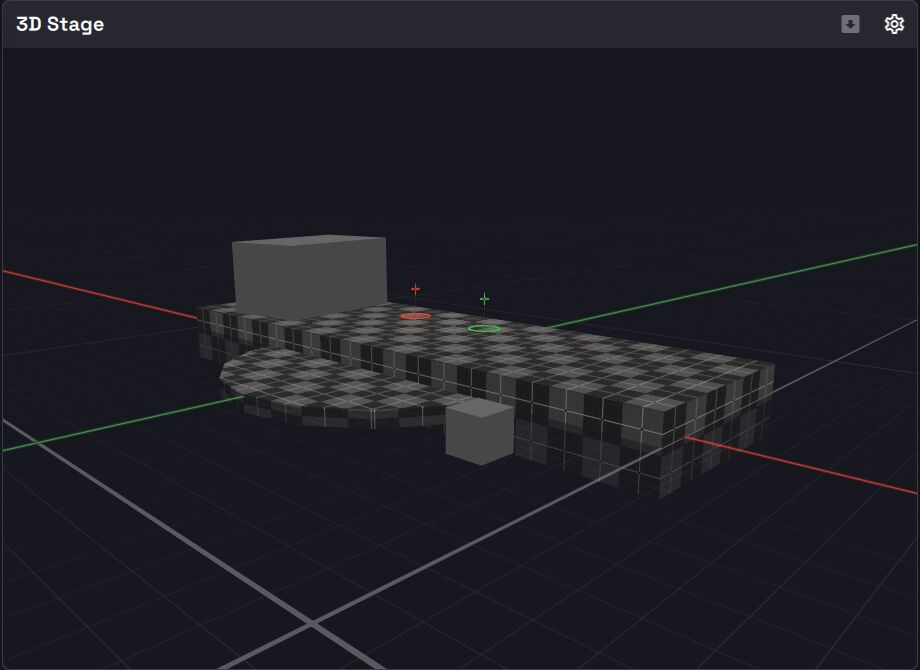
- If the stage is not flat, import a floor mesh so that manual Targets follow the floor height (see Compute a Target's floor Z from a floor mesh, experimental).
Set up the Targets
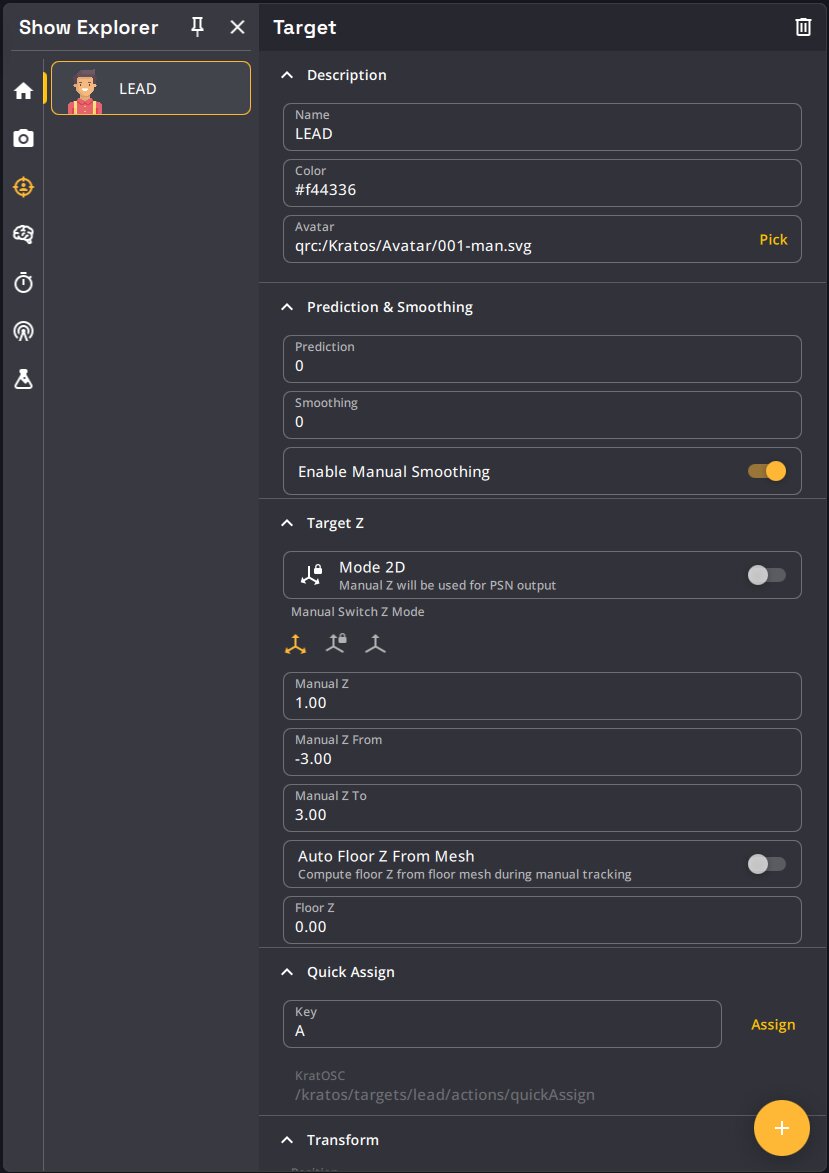
- Create a Target for each person or object to follow in the Target tab of the Show Explorer, and set its Home Position.
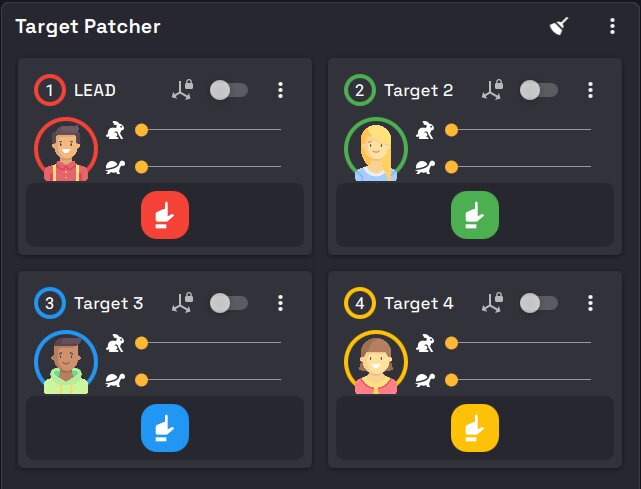
- Put each Target in manual tracking from the Target Patcher. Without a Kore, Target cards only show the manual tracking controls.
Control the Targets
Choose how operators move the Targets:
- Mouse : move the manual Target directly on a camera view (see Manual tracking controls).
- SpaceMouse : create a SpaceMouse module per operator and link it to camera views (see Connect a SpaceMouse to Kratos and Use a SpaceMouse in 2D on a view).

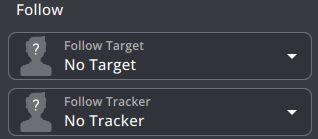
- Virtual pan/tilt : let camera views follow the Target so the operator always sees it.
Connect K SYSTEM with your 3rd party systems
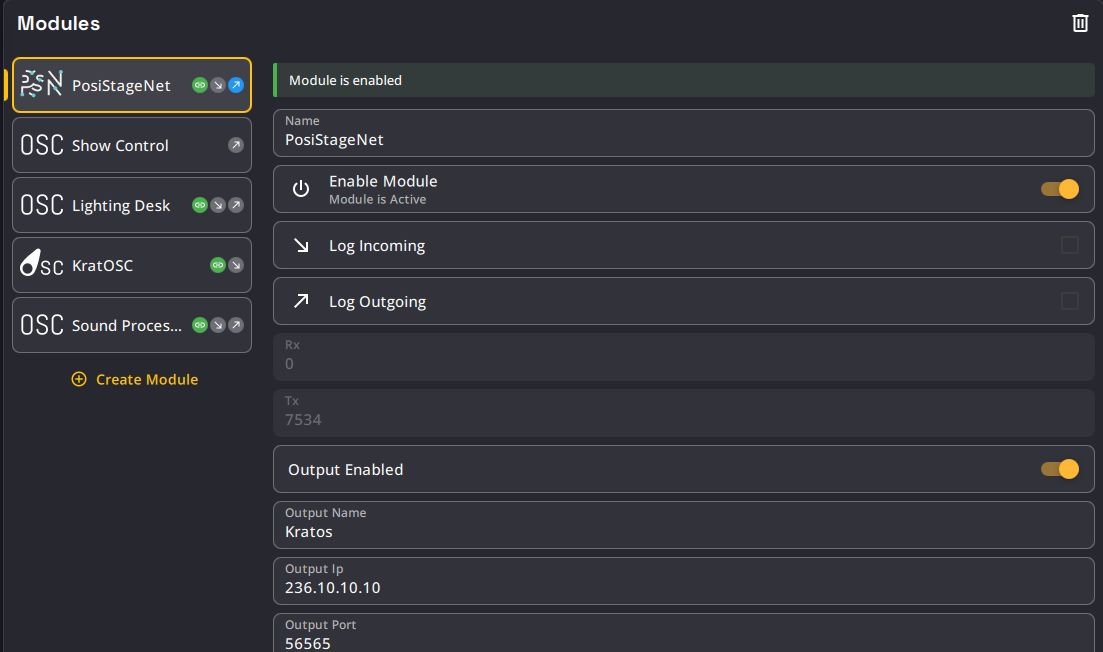
- Set up all the needed Modules for your 3rd party systems (PSN, OSC, KratOSC, grandMA…).
- Use a combination of Action Groups and Actions to create the interactive behavior you want.
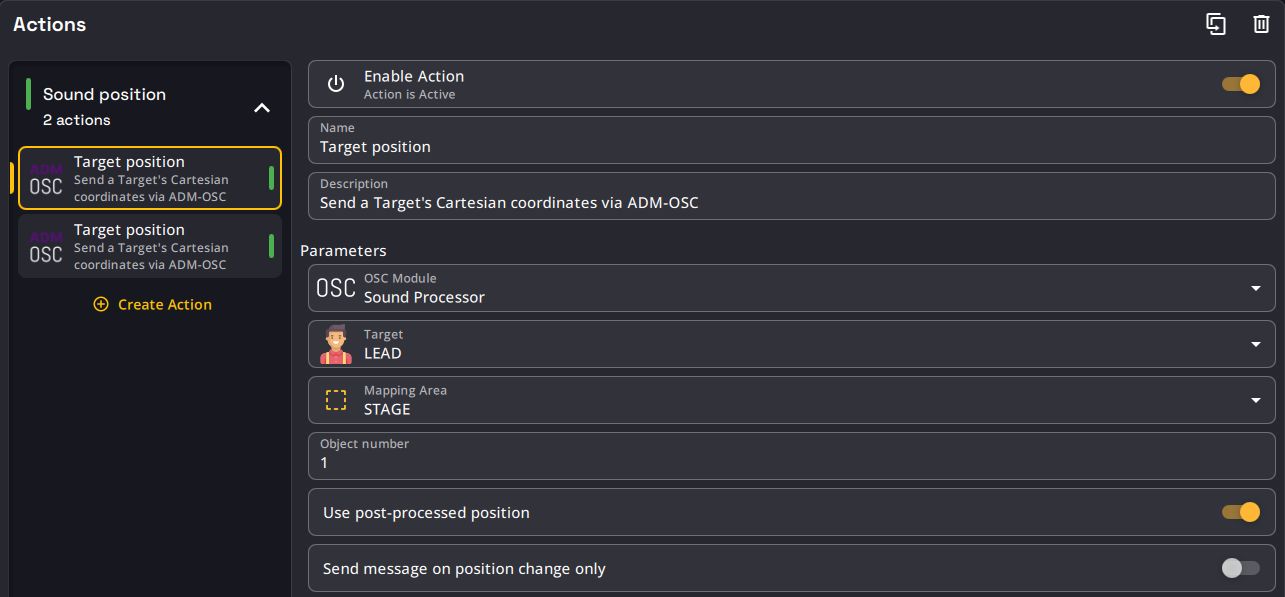
Make sure to also set up the third party system accordingly. Help is provided in the Tutorials section.
You're all done! Your K SYSTEM Flow is ready for the show.